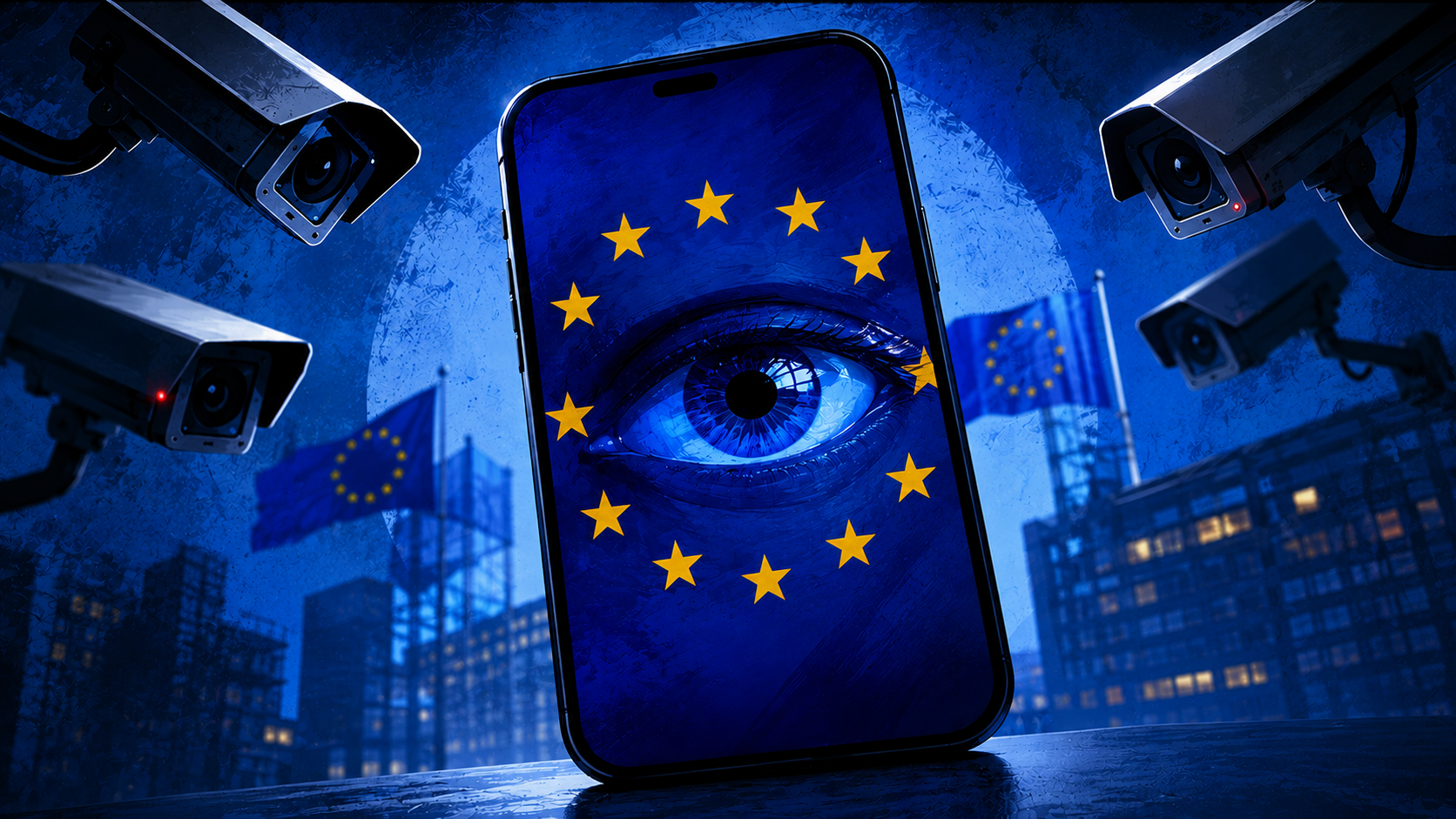
Within the space of two days this week, both Meta and Google launched tools that ask users to record a video of their face to prove they're a real, specific person. Meta's version is a free badge for Facebook profiles; Google's is an optional way to get back into a locked account. Both are aimed at the same problem, AI-generated accounts and deepfake impersonation making it harder to tell who's actually on the other end of a screen, and both raise the same underlying question: what happens to the video once you've handed it over?
Facebook Verified: Free, and Aimed at Marketplace and Dating
Meta introduced Facebook Verified on July 24. To get the badge, users record a short video selfie, which Facebook checks against their existing profile photos using facial-recognition matching. The process is free, takes a few minutes, and requires users to be 18 or older, in good standing with Facebook's Community Standards, and showing "no evidence of inauthentic behavior." It's not available for Pages or ProMode accounts, so it's built as a personal-profile feature rather than something creators or businesses can use.
Once verified, the badge shows up on a user's profile and across Marketplace, Dating, and Groups, with Meta saying it plans to extend the badge to News Feed posts later. Meta is explicit that the badge confirms identity only, not trustworthiness or endorsement, a verified account can still be suspended for policy violations.
Google's Selfie Video Sign-In: Optional, for Account Recovery
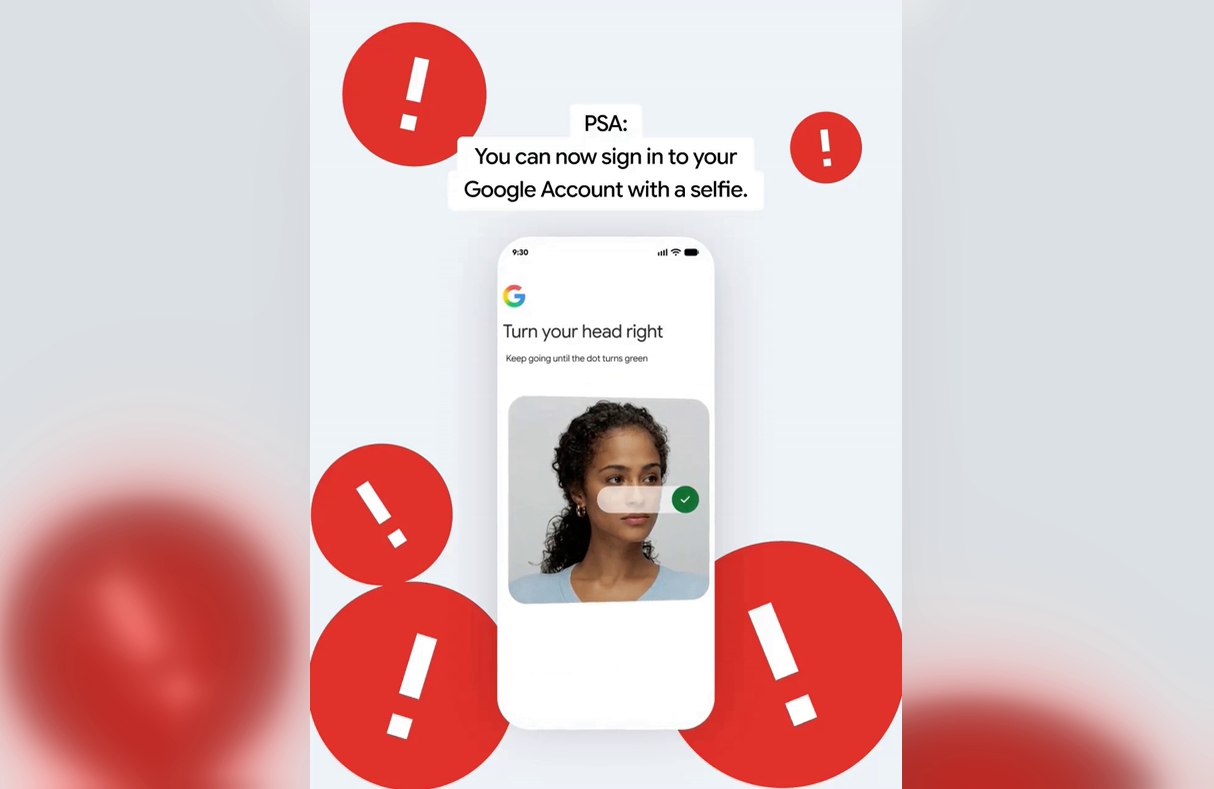
Google's feature, announced July 23, works differently. It's not a badge, it's an opt-in backup way to get into a Google Account when a password, recovery phone, or passkey isn't available. Setup involves looking into a device camera and completing a few guided head movements to capture the face from multiple angles, a liveness check meant to rule out a still photo or a pre-recorded clip. If a user is later locked out, they record a fresh selfie, which Google compares against the enrolled version.
Google says the video is stored only with consent, is encrypted at rest, can be deleted at any time from account settings, and is used only for sign-in unless a user separately opts in to let Google use it to improve its facial-recognition systems more broadly. The rollout is happening in phases globally, and for European users it lands just before new EU rules on biometric categorization and deepfake disclosure take effect on August 2, 2026.
Why This Is a Different Kind of Trade-Off Than a Password
The pitch behind both tools is reasonable on its face: AI has made it trivially easy to spin up fake profiles and clone someone's likeness, so proving there's a real, matching person behind an account has real value. The problem is the trade-off isn't symmetric. A leaked password gets reset. A leaked or misused face scan doesn't, you can't rotate your own face the way you rotate a credential, which is exactly why biometric data is treated differently under privacy law in the first place.
Meta, specifically, has been here before. In 2021, the company shut down Facebook's original facial recognition system entirely and deleted the face templates of more than a billion users, after years of legal and regulatory pressure over exactly this kind of biometric collection. Facebook Verified doesn't reverse that decision on paper, Meta frames it as identity verification, not the old tag-suggestion recognition system, but it does put facial-recognition matching back into Facebook's product line for the first time since.
Sources
- Meta's official Facebook Verified announcement: About Meta
- Google's official selfie video sign-in announcement: The Keyword
- TechCrunch coverage of Google's rollout: TechCrunch
- Reclaim The Net's analysis of Facebook Verified's data gaps: Reclaim The Net
This article was written by DigitalEscapeTools based on official company announcements and published third-party coverage available at the time of publication.
Related News