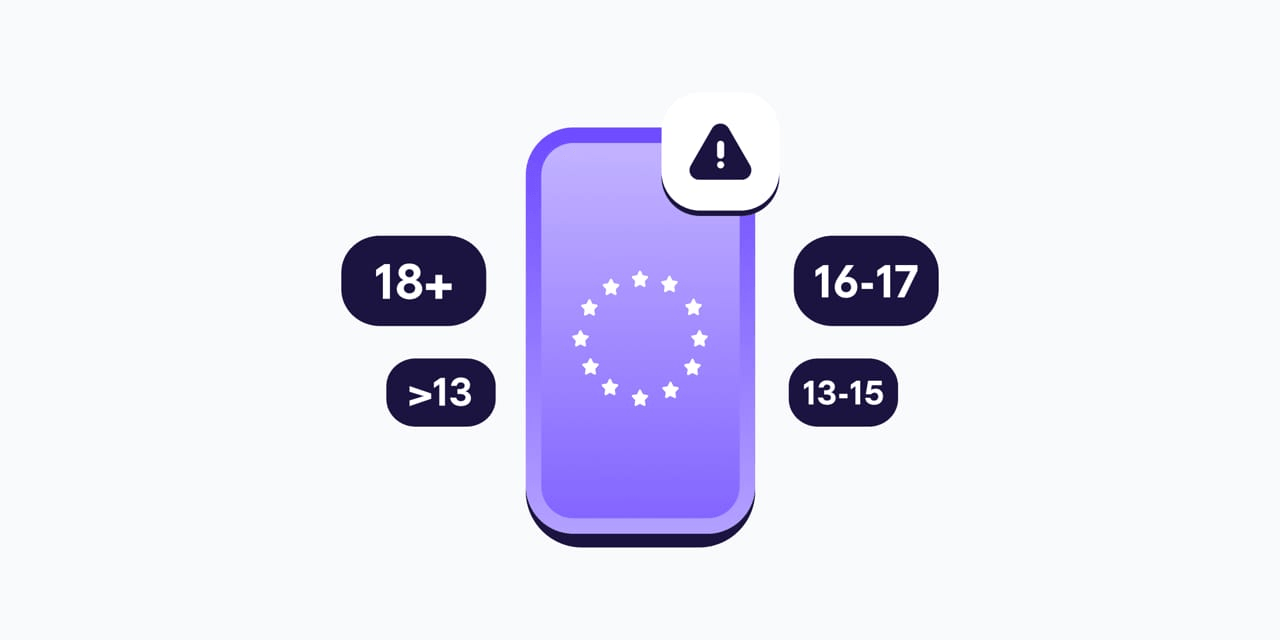
On Tuesday, both chambers of France's parliament voted to bar children under 15 from using social media, making France the first European Union country to pass a blanket ban of this kind. The law will be enforced by Arcom, France's audiovisual and digital regulator, and is expected to apply to the major platforms, TikTok, Instagram, Snapchat, Facebook, X, and Reddit among them. New accounts for under-15s will be blocked starting September 1, 2026, with existing underage accounts closed from January 2027.
Digital Minister Anne Le Henanff put it plainly: "If someone is under 15, the account will be closed." President Emmanuel Macron, who has pushed the measure as a flagship policy, called it a "major step forward" for protecting children online. France joins a wave of countries moving in the same direction, Australia banned under-16s from social media in December 2025, and Spain, Denmark, Greece, and the UK have all floated similar restrictions.
The Ban Isn't the Interesting Part. The Enforcement Is.
Passing a law that says "under-15s can't use social media" is the easy half of the problem. The hard half, one the law leaves largely to the platforms themselves, is figuring out who's actually under 15 without asking literally everyone to prove their age first. French lawmaker Laure Miller told AFP that platforms will be expected to pick "the tool or tools" of their choice for age verification, with an age-verification app unveiled by the European Commission in April 2026 as one option already on the table.
In practice, "the tool or tools" usually means some combination of biometric face scans, government ID uploads, or behavioral profiling that infers your age from how you use a platform. All three require collecting and storing more personal data than the platform needed from you before the law existed, and all three turn that data into a target.
Discord Already Showed What Can Go Wrong
In October 2025, Discord disclosed that a third-party vendor it used to handle age-verification appeals, 5CA, had been breached. Roughly 70,000 users who had submitted a government-issued ID photo to prove their age, because they'd been flagged as possibly underage, or lived somewhere requiring identity checks, had those photos exposed. Discord said the breach was limited to that vendor and didn't touch its core systems, but the underlying point stands regardless of scope: once a platform starts collecting ID photos or face scans at scale to comply with age-verification rules, that collection becomes a single point of failure that didn't exist before.
What This Doesn't Fix
It's also worth being honest about what a blanket age ban doesn't touch: the recommendation algorithms, engagement-maximizing design, and infinite-scroll mechanics that make these platforms hard to put down in the first place, for a 16-year-old as much as a 14-year-old. Banning an age group changes who's exposed to that design, but it doesn't change the design itself.
What You Can Actually Do About It
None of this is a reason to panic about a single French law. But it's a good prompt to look at how much personal data you're handing to services that don't need it, starting with the account most tied to your real identity: your email. A growing number of privacy-conscious families are moving primary email off Gmail or Outlook and onto providers that are built not to profile you in the first place. Proton Mail is one of the more established options, end-to-end encrypted, no ad targeting, and it lets you create disposable aliases instead of handing out your real address everywhere a form asks for one.
Sources
- Al Jazeera coverage of the French parliament vote: Al Jazeera
- France 24 coverage of the law's passage and enforcement details: France 24
- CNN's report on Arcom's enforcement role: CNN
- Discord's official statement on the 2025 vendor breach: Discord
This article was written by DigitalEscapeTools based on published reporting available at the time of publication. It contains an affiliate link, as disclosed above.